
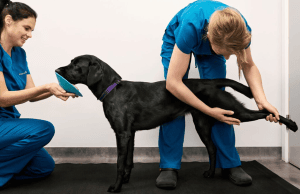
October 12th marks World Arthritis Day, a global opportunity to raise awareness of arthritis, a condition that doesn’t just affect humans.
In veterinary medicine, osteoarthritis (OA) is one of the most common chronic conditions we manage in companion animals, particularly senior dogs and cats. But it’s not just a disease of old age — young animals with joint injuries or developmental issues can be affected too.
What Is Osteoarthritis?
Osteoarthritis is a progressive joint disease characterised by the degeneration of cartilage, inflammation, and pain. Over time, affected joints become stiff, swollen, and painful, leading to reduced mobility, muscle loss, and a significant decline in quality of life.
In dogs, we often see OA in the hips, elbows, knees, and spine. Cats, on the other hand, can be trickier, their symptoms are subtle. OA in cats commonly affects the hips, shoulders, and lower spine, but they rarely show overt lameness. Instead, they may jump less, groom poorly, or become withdrawn.
Recognising the Signs of OA
Owners may assume these changes are just part of “getting old,” however early intervention is critical. Some key signs include:
Dogs:
- Limping
- Stiffness after rest
- Reluctance to exercise or play
- Difficulty with stairs or getting into cars.
Cats:
- Avoiding jumping
- Changes in grooming habits
- Reluctance to be handled
- Decreased interaction.
The Role of Veterinary Physiotherapy
As veterinary physiotherapists, our goal is to reduce pain, improve mobility, and enhance quality of life. While OA is not curable, it is very manageable, especially with a multimodal approach. Here’s how physiotherapy fits in:
Tailored Exercise Programs
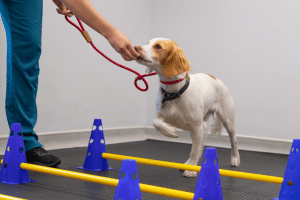
Controlled and appropriate exercise helps maintain joint range of motion, build muscle strength, and reduce stiffness. Every program is customised to the individual animal, their pain level, and mobility.
Manual Therapy
Techniques such as massage, stretching, and joint mobilisations can help improve circulation, relieve muscle tension, and enhance joint function.
Therapeutic Modalities
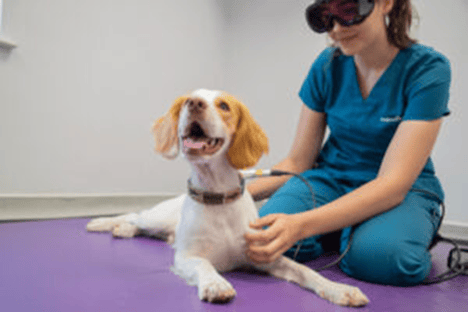
We may incorporate treatments help to reduce inflammation, stimulate healing, and manage pain such as:
- Laser therapy
- Pulsed electromagnetic therapy (PEMF)
- Therapeutic ultrasound
- Cryotherapy and heat therapy
Home Environment Advice
Simple changes can make a huge difference including ramps, non-slip flooring, orthopaedic bedding, and raised food bowls all help reduce strain on joints.
Weight Management Support
Excess weight significantly worsens arthritis. As part of a rehab plan, we help guide nutritional strategies to keep pets at an ideal weight.
Working as a Team
Optimal OA management requires collaboration between Veterinary Physiotherapists, Vets, Nurses, and pet owners. Medication (such as NSAIDs, joint supplements, or newer pain modulators), diet, and rehabilitation all work together to give the best outcomes.
Osteoarthritis doesn’t have to mean the end of a good life for your pet. With early diagnosis and integrated care, animals with OA can continue to enjoy comfort, mobility, and happiness well into their senior years.